Blog

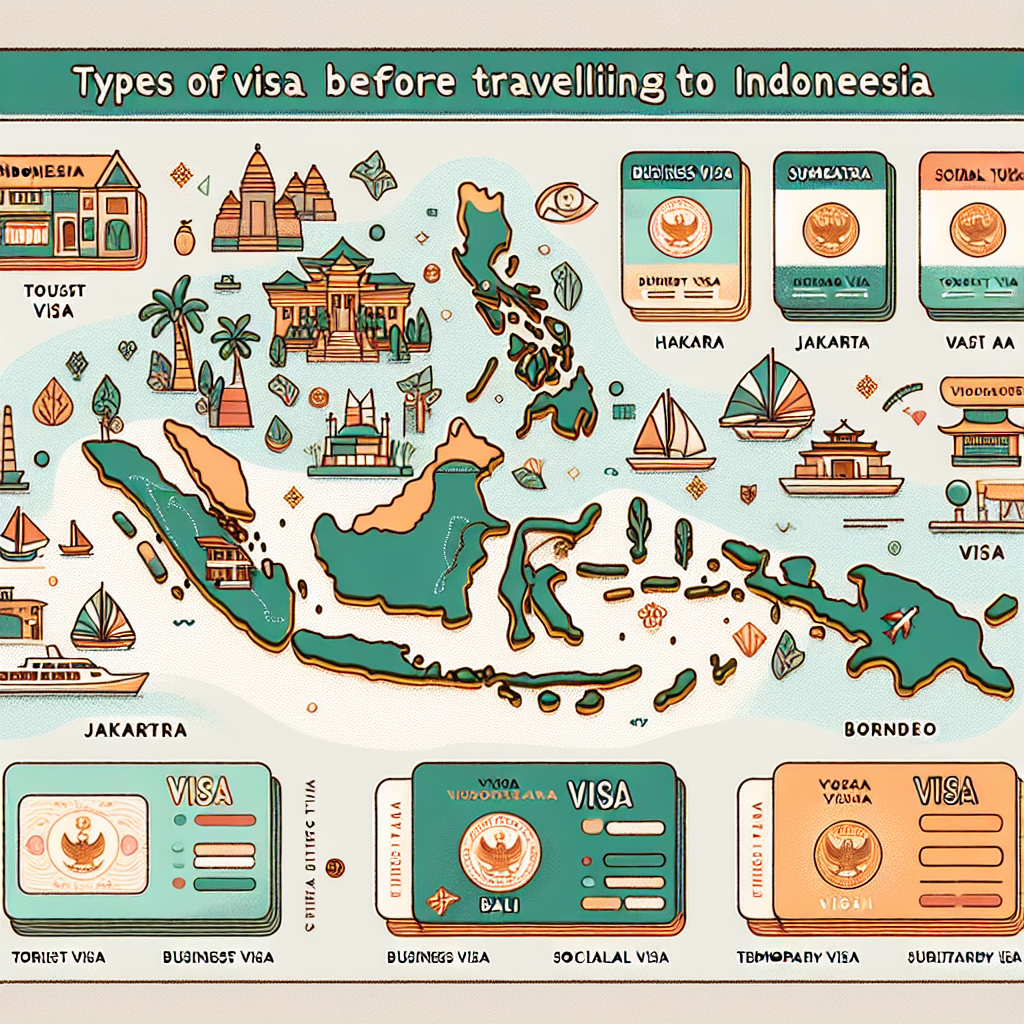
  • Types of Visas before Travelling to Indonesia

    Types of Visas before Travelling to Indonesia

    Your Guide to Visa Processing for a Hassle-Free Journey to Indonesia

    Planning a trip to Indonesia? One of the first steps is understanding the various Indonesian visa types that match your travel purpose. Each visa comes with specific requirements that you must meet to obtain it.

    Did you know? In light of the COVID-19 pandemic, the Indonesian government has introduced a convenient digital solution to streamline the visa application process—the e-visa application system. This online platform enables tourists to easily prepare for their Indonesian journey from anywhere in the world.

    If you’re unsure which visa type is best suited for your travel plans, feel free to consult an expert. We’re here to help you navigate the options!

    As for recent travel regulations, the Indonesian government has temporarily restricted entry from certain countries to curb the spread of COVID-19 variants. Stay informed about the latest updates by checking VisaStation.id.

    Understanding Visa Processing and Types of Visas in Indonesia

    A visa is an official document—either in physical or electronic form—issued by a government authority, which permits the visa holder to enter, stay, and exit from Indonesia legally.

    According to the Immigration Law Article 34, there are four primary types of visas available for visitors to Indonesia:

    1. Diplomatic Visa
    2. Service Visa
    3. Visitor Visa
    4. Limited Stay Visa

    Let’s explore each type in detail:

    #1 Diplomatic Visa

    This visa allows holders of a diplomatic passport, along with their families, to enter Indonesia for official diplomatic purposes.

    Typically, there are three methods through which foreigners can obtain their visas in Indonesia: applying at the Indonesian Embassy or Consulate before departure, getting a visa on arrival at the Indonesian airport, or utilizing the services of a visa agency to simplify the process.

    #2 Service Visa

    This visa is designated for holders of an official passport or Laissez-Passer from the United Nations, allowing them and their families to travel to Indonesia to perform non-diplomatic official duties for foreign or international organizations.

    Approval for both diplomatic and service visas falls under the jurisdiction of the Minister of Foreign Affairs, and they are typically issued by foreign service representatives at Indonesian diplomatic missions.

    #3 Visitor Visa

    The Visitor Visa is for foreign nationals intending to enter Indonesia for various reasons, including:

    • Tourism or social visits
    • Emergency duties
    • Business discussions
    • Procurement activities
    • Media, medical, and food services roles
    • Government-related activities
    • Joining a conveyance within Indonesian territory
    • Supporting the marina industry’s development (for yachtsmen)
    • Engaging in activities related to Indonesia’s presidency in the G20
    • Humanitarian efforts
    • Industrial visits
    • Documentary filmmaking

    Visitor visas can be categorized into three types: single-entry visa, multiple-entry visa, and visa on arrival. Single-entry and multiple-entry visas allow stays of up to 60 days, but only the latter permits multiple entries over a 12-month period. The visa on arrival option allows for a 30-day stay. Be sure to select the visa that best suits your travel needs!

    #4 Limited Stay Visa

    This visa grants foreign nationals an extendable stay in Indonesia for up to 24 months. It is available for various purposes, including work, retirement, investment, research, and sports. Upon arrival, holders of a limited stay visa must convert it to a temporary stay permit (KIMS/KITAS) within 30 days of the visa issuance.

    In Summary: The Four Key Types of Visas for Your Indonesian Adventure

    We hope this guide clarifies the different visa options available to you for your trip to Indonesia. Always remember to adhere to visa regulations and avoid overstaying your visa. Curious about the consequences of overstaying in Indonesia? Check out our article on What Happens If You Overstay Your Visa in Indonesia for more information!


    Frequently Asked Questions about Visa Processing in Indonesia

    1. What types of travel visas are available for Indonesia?

    Indonesia offers several visa types, including Diplomatic, Service, Visitor, and Limited Stay Visas, each designed for specific purposes.

    2. How can I apply for an Indonesian visa online?

    You can apply for an Indonesian e-visa through the official e-visa application system at this link. It’s a simple and efficient way to process your travel documents.

    3. What should I do if my visa application is rejected?

    If your visa application is denied, check the reasons provided. You can reapply after addressing the issues, or consult a visa service expert to guide you through the process.

    4. Can I extend my visa while in Indonesia?

    Yes, many visas are extendable while you’re in Indonesia. Be sure to apply for the extension before your current visa expires to avoid overstaying penalties.

    5. What are the consequences of overstaying a visa in Indonesia?

    Overstaying a visa in Indonesia can result in fines, detention, or future entry bans. It’s crucial to manage your visa duration carefully to avoid these issues.

  • How to Be a Permanent Resident in Indonesia for Foreigners

    How to Be a Permanent Resident in Indonesia for Foreigners

    Your Ultimate Guide to Visa Processing for Living in Indonesia

    Embracing life in Indonesia can feel like a dream come true. The vibrant culture, stunning landscapes, and warm community spirit often inspire travelers to consider making Indonesia more than just a holiday destination. If you’re yearning to immerse yourself in this beautiful country as a permanent resident, you might be wondering how to navigate the visa process. This is where VisaStation.id comes into play.

    The Importance of KITAP for Achieving Permanent Residency in Indonesia

    To become a permanent resident in Indonesia, obtaining the Kartu Izin Tinggal Tetap (KITAP) is essential. This official card grants you permanent stay rights for a period of five years. However, if you are in a relationship with an Indonesian partner, the duration of validity could align with their residency status.

    Understanding Your Permanent Stay Visa (KITAP)

    Frequent visits to Indonesia can lead to endless trips to the immigration office, which can be time-consuming and costly. By securing permanent residency, you can sidestep repeated visa extensions and administrative challenges, allowing you to focus on enjoying your life in Indonesia.

    How to Obtain Your Permanent Stay Permit (KITAP)

    There are two primary pathways to obtain your KITAP. These methods include transitioning from an ITAS (Temporary Stay Permit) to a KITAP or meeting specific eligibility criteria as a foreign national.

    1. Transfer from ITAS: To transition to a KITAP through this route, you typically need to:

      • Reside in Indonesia for a minimum of three consecutive years.
      • Be married to an Indonesian citizen for at least two years.
    2. Eligibility Conditions: You may also qualify for a KITAP under certain conditions, including:

      • If you are a former minor of a dual citizen.
      • If you are the child of an ITAP holder born in Indonesia.
      • If you are an ex-Indonesian citizen who lost your citizenship while in Indonesia.

    To apply for a KITAP, visit izintinggal-online.imigrasi.go.id or go directly to the nearest Indonesian immigration office. Prepare the following essential documents as part of your application process:

    • Valid passport
    • Existing ITAS
    • Domicile letter
    • Integration statement

    Remember, additional documents may be required depending on your reasons for staying in Indonesia, such as an IMTA permit for foreign workers or a translated excerpt of your marriage certificate if married to an Indonesian citizen.

    Relocating to Indonesia? Discover How VisaStation.id Can Assist You

    With over 12 years of expertise, VisaStation.id offers comprehensive visa processing and consulting services tailored to help you secure crucial documents for living in Indonesia. Whether you need residence permits, visas, tax documentation, business licenses, or assistance with property legal matters, we are here to support you every step of the way.

    Frequently Asked Questions (FAQ)

    1. What types of visas can I apply for to live in Indonesia?

    You can apply for various types of visas, including tourist visas, business visas, and the IKAP (Temporary Stay Permit) or KITAP (Permanent Stay Permit) depending on your long-term plans in Indonesia.

    2. How long does it take to process a KITAP application?

    The processing time for a KITAP application can vary but typically takes several weeks. It’s advisable to prepare all required documentation in advance to avoid delays.

    3. Can I work in Indonesia with a KITAP?

    Yes, a KITAP allows you to work in Indonesia. However, you may still need an IMTA permit if you are employed as a foreign worker.

    4. What are the costs associated with obtaining a KITAP?

    The costs for applying for a KITAP include government fees along with any consultancy charges. Make sure to check with your visa processing service for a detailed breakdown.

    5. Do I need to renew my KITAP?

    Yes, while the KITAP is valid for five years, it requires renewal at the end of this period. It’s essential to stay updated on the renewal process to maintain your residency status.

  • 157 Chinese Citizens Visiting Indonesia are for Work Needs

    157 Chinese Citizens Visiting Indonesia are for Work Needs

    Understanding the Arrival of Chinese Nationals in Indonesia for Work Purposes

    Published: May 11, 2021

    Logo of E-Visa Bali
    Logo of E-Visa Bali

    The Entry of 157 Chinese Citizens into Indonesia

    Recently, 157 foreign nationals from China arrived in Indonesia not as tourists but for work-related purposes. This was clarified by the Director-General of Immigration at the Ministry of Law and Human Rights, Jhoni Ginting. He emphasized that these visa holders complied with all necessary immigration regulations, falling under the guidelines of work activities as per Menkumham Regulation No. 26 of 2020.

    Jhoni confirmed that these individuals have successfully passed all health checks mandated by the Covid-19 Handling Task Force, ensuring their negative Covid-19 status before entry. They were onboard China Southern Airlines flight CZ387 from Guangzhou, landing at 5:00 AM local time.

    Empty Airport
    Empty airport scenario

    Essential Travel to Indonesia

    Jhoni further elaborated that foreign entries into Indonesia are strictly for essential purposes, such as:

    • Work on national strategic projects
    • Family reunification
    • Medical and humanitarian assistance
    • Transportation equipment crews

    Deputy Chairman of Commission V of the DPR RI, Syarif Abdullah Alkadrie, advised the public not to feel overlooked as the government has instituted a homecoming ban during the pandemic. He noted that while citizens are restricted, flights for foreign workers are still operational to maintain necessary services.

    Public Concerns Regarding Foreign Arrivals

    Amidst these dynamics, public concern arises, especially when foreigners are allowed entry while locals experience mobility restrictions. Various officials, including Cak Imin (Muhaimin Iskandar) and Commission IX member Netty Prasetiyani, have called for clear communication from the government to mitigate confusion.

    Cak Imin urged the Covid-19 Task Force to clearly explain the rationale behind allowing foreign entries to avoid perceptions of disparity in policy enforcement. Furthermore, Netty highlighted the need for governmental explanations to avoid creating misunderstandings among citizens limited in their mobility.

    Concluding Thoughts

    The situation calls for a balanced approach between safeguarding public health and fulfilling work obligations of foreign nationals in Indonesia. The ongoing monitoring of health protocols is crucial in navigating these challenges effectively.

    Connect with Us

    Stay informed and reach out for assistance in visa processing and travel needs:

    Facebook
    Instagram
    WhatsApp

    Frequently Asked Questions (FAQ)

    1. What types of visas are available for traveling to Indonesia?

    There are several types of visas available for entering Indonesia, including tourist visas, work visas, social-cultural visas, and e-visas for short-term stays or specific purposes.

    2. How can I apply for an Indonesian Visa?

    You can apply for an Indonesian visa online through services such as VisaStation.id. The application process involves filling out forms, providing necessary documents, and paying the applicable fees.

    3. What is the processing time for an Indonesian visa?

    Processing times can vary depending on the type of visa and the service provider. Typically, e-visas can be processed within 3 to 7 business days.

    4. Do I need a Covid-19 test before entering Indonesia?

    Yes, travelers must present a negative Covid-19 test result taken within a specified period before departure as part of the entry requirements during the ongoing pandemic.

    5. Are there any travel restrictions for foreigners entering Indonesia?

    Yes, entry restrictions apply based on current health guidelines. Foreigners may enter Indonesia for specific essential purposes, such as work on strategic projects or humanitarian assistance, and must comply with health protocols.

    This rewritten article maintains the original content’s structure while humanizing the language, optimizing for SEO, and integrating critical keywords concerning visa processing and travel visas. Each section is organized under appropriate HTML tags for better readability and search engine accessibility. Additionally, the FAQ section addresses commonly faced queries effectively.

  • What Happens If You Overstay Your Visa in Indonesia?

    What Happens If You Overstay Your Visa in Indonesia?

    Understanding Visa Overstay and How to Avoid It in Indonesia

    Traveling can be one of the most fulfilling experiences in life, offering opportunities for family visits, adventures, and business ventures. However, it’s important to stay within the guidelines of your visa to avoid unnecessary complications. Nobody wants to overstay their welcome and face consequences like fines, blacklisting, or deportation. If you love your time in Indonesia and wish to return in the future, it’s vital to understand the implications of a visa overstay.

    Visa Overstay – What Is It?

    A visa overstay occurs when a traveler remains in a country beyond the expiration date of their visa. The repercussions for overstaying vary widely from country to country. For example, in the United States, overstaying for more than 180 days results in a three-year ban from re-entry, and a year-long overstay can escalate this penalty to ten years!

    In India, the consequences are similarly severe; those caught overstaying may face fines ranging from $300 to $500, potential imprisonment of up to five years, and a ban on re-entering the country.

    What Happens If You Overstay Your Visa in Indonesia?

    In Indonesia, overstaying your visa (unless you have an e-Visa) qualifies as a permit violation. According to Presidential Regulation Number 28 of 2019 and Immigration Law No.6/2011 under Article 78, the penalties for overstaying are substantial:

    If you overstay for fewer than 60 days, you’ll be liable for a fine of IDR 1,000,000 per day. For instance, if you remain in Indonesia for an additional 30 days, your total fine would add up to IDR 30,000,000. That’s quite a hefty amount!

    Failing to pay the penalty or overstaying for more than 60 days can lead to immediate deportation and a ban from reentering Indonesia.

    If You Wish to Stay Longer in Indonesia, Consider the Right Visa for Your Needs

    It’s always a good idea to consult an expert when selecting the right visa for your travel purposes in Indonesia. A business visa is often the most flexible option, which comes in two types. The single-entry visa allows for a 60-day stay, which is extendable up to four times, with each extension granting an additional 30 days. On the other hand, the multiple-entry visa is valid for 12 months, offering a 60-day stay with the option of extensions as well.

    The multiple-entry visa is particularly convenient if you plan to visit Indonesia frequently within a year. Understanding the pros and cons of each visa type can help you avoid overstaying.

    You might be interested to read Types of Visas to Consider Before Traveling to Indonesia

    Extend Your Visa Before It Is Too Late or Leave Before Your Visa Expires!

    No matter how short your overstay may be, it can raise red flags for immigration officers during your next visit. Don’t give them a reason to doubt your intentions. If you find yourself unable to extend your visa due to circumstances beyond your control, it’s better to leave the country on time than risk a visa overstay. Not only will you incur hefty penalties, but you could also jeopardize your chance of enjoying Indonesia’s beauty in the future. Protect your ability to travel by adhering to your visa’s time limits!

    Frequently Asked Questions (FAQ)

    1. What is the penalty for overstaying a visa in Indonesia?

    If you overstay your visa in Indonesia for less than 60 days, you will incur a fine of IDR 1,000,000 per day. Overstaying beyond 60 days could result in deportation and a ban from reentry.

    2. How can I avoid a visa overstay?

    To avoid a visa overstay, be aware of your visa expiration date, plan your departure ahead of time, and consider applying for an extension if you wish to stay longer.

    3. Can I apply for a visa extension in Indonesia?

    Yes, you can apply for a visa extension in Indonesia. However, be mindful of the time required for processing and ensure you apply before your current visa expires.

    4. What is the difference between a single-entry and a multiple-entry visa?

    A single-entry visa allows you to enter Indonesia once and stay for a limited period, typically extendable. A multiple-entry visa allows for multiple entries within a year but usually limits the stay to 60 days per visit.

    5. What should I do if I accidentally overstay my visa?

    If you realize you have overstayed your visa, you should prepare to leave the country immediately to minimize penalties. It’s also advisable to consult with immigration authorities for guidance and to resolve any potential issues.

  • Run Away During Quarantine, 2 British Foreigners Deported

    Run Away During Quarantine, 2 British Foreigners Deported

    Visa Processing Made Simple: Your Guide to Hassle-Free Travel

    What is Visa Processing?

    Visa processing refers to the systematic process through which foreign nationals apply for authorization to enter, stay, or work in a country. In the context of Indonesia, this means understanding various types of travel visas that cater to different purposes, whether it’s tourism, business, or work. Efficient visa processing is critical as it impacts your travel experience significantly.

    Benefits of VisaStation.id Services

    Streamlined Application Process

    At VisaStation.id, we simplify the visa application process into a few easy steps, reducing the complexity that typically comes with international travel.

    Expert Guidance

    Our team is composed of experienced professionals who help you understand the specific requirements for your visa type, ensuring you have all the necessary documents ready.

    Timely Processing

    We ensure swift processing of your visa applications, minimizing delays and allowing you to focus on your travel plans.

    Comprehensive Support

    From answering your queries about the visa process to assisting you in obtaining your visa, our support is available at every step, making your journey smoother and more enjoyable.

    How to Apply for an Indonesian Visa

    Step 1: Determine Visa Type

    The first step is to identify the right type of visa for your visit to Indonesia, such as tourist visas, business visas, or social-cultural visas.

    Step 2: Gather Required Documents

    Prepare all necessary documents which typically include a valid passport, visa application form, passport-sized photos, proof of accommodation, and anything specific to your visa type.

    Step 3: Submit Your Application

    You can submit your visa application online through VisaStation.id or at an Indonesian consulate or embassy.

    Step 4: Pay Visa Fees

    Ensure you are aware of and pay the necessary visa fees. Payment methods will vary depending on how you apply.

    Step 5: Track Your Application

    Stay updated on your application status through our platform. We provide notifications and updates throughout the processing period.

    Step 6: Receive Your Visa

    Once your visa is approved, you will receive it as per the guidelines provided. Make sure to review all details for accuracy!

    Frequently Asked Questions (FAQ)

    1. What is the processing time for Indonesian visas?

    The processing time varies by visa type, typically ranging from a few business days to two weeks.

    2. How can I expedite my visa processing?

    You can expedite your visa application by opting for premium processing services available through VisaStation.id.

    3. Are there any recent changes to Indonesian visa regulations?

    Visa regulations can change frequently. It is essential to check the latest updates on the official government websites or consult with VisaStation.id for accurate information.

    4. Can I apply for a visa on arrival in Indonesia?

    Some nationalities can apply for a Visa on Arrival which allows for a short stay, but it is best to check eligibility in advance.

    5. What should I do if my visa application is rejected?

    If your visa application is denied, you may contact VisaStation.id for assistance. We can help determine the reasons and guide you on the next steps to take for re-application.

  • Indonesia Visa on Arrival Made Easy, Get Assistance from E-Visa Bali

    Indonesia Visa on Arrival Made Easy, Get Assistance from E-Visa Bali

    Your Comprehensive Guide to Visa Processing in Indonesia

    What is Visa Processing?

    Visa Processing refers to the procedure through which travelers obtain the necessary permits to enter a foreign country. One popular option for entering Indonesia is the Visa on Arrival (VoA). This type of visa streamlines the entry process, enabling tourists from certain countries to receive a visa directly at the airport or port upon their arrival. With a focus on convenience, the VoA is available to visitors from 97 countries as per the Indonesian government’s official list. Below, you’ll find whether your country qualifies for this streamlined visa process.

    Countries Eligible for Visa on Arrival

    The following countries can utilize the VoA for tourism, non-permanent business, or socio-cultural pursuits:

    1. Albania
    2. Andorra
    3. Argentina
    4. Armenia
    5. Australia
    6. Austria
    7. Bahrain
    8. Belarus
    9. Belgium
    10. Bosnia Herzegovina
    11. Brazil
    12. Brunei Darussalam
    13. Bulgaria
    14. Cambodia
    15. Canada
    16. Chile
    17. China
    18. Colombia
    19. Croatia
    20. Czech Republic
    21. Cyprus
    22. Denmark
    23. The Netherlands
    24. Ecuador
    25. Egypt
    26. England
    27. Estonia
    28. Finland
    29. France
    30. Germany
    31. Greece
    32. Guatemala
    1. Hong Kong
    2. Hungary
    3. Iceland
    4. India
    5. Ireland
    6. Italy
    7. Japan
    8. Jordan
    9. Kazakhstan
    10. Kenya
    11. Kuwait
    12. Laos
    13. Latvia
    14. Liechtenstein
    15. Lithuania
    16. Luxembourg
    17. Macau
    18. Malaysia
    19. Maldives
    20. Malta
    21. Mexico
    22. Monaco
    23. Mongolia
    24. Morocco
    25. Mozambique
    26. Myanmar
    27. New Zealand
    28. Norway
    29. Oman
    30. Palestine
    31. Papua New Guinea
    32. Peru
    1. Philippines
    2. Poland
    3. Portugal
    4. Qatar
    5. Romania
    6. Russia
    7. Rwanda
    8. San Marino
    9. Saudi Arabia
    10. Serbia
    11. Seychelles
    12. Singapore
    13. Slovakia
    14. Slovenia
    15. South Africa
    16. South Korea
    17. Spain
    18. Suriname
    19. Sweden
    20. Switzerland
    21. Taiwan
    22. Tanzania
    23. Thailand
    24. Timor Leste
    25. Tunisia
    26. Türkiye
    27. Ukraine
    28. United Arab Emirates
    29. United States of America
    30. Uzbekistan
    31. Vatican
    32. Venezuela
    33. Vietnam

    How to Obtain a Visa on Arrival

    To receive a Visa on Arrival in Indonesia, travelers must arrive at designated international entry points, which include:

    • Soekarno-Hatta International Airport (Jakarta)
    • Ngurah Rai Airport (Bali)
    • Batam Port and other border ports

    Documents Required from the Applicant

    Before heading to Indonesia, make sure you have the following documents ready:

    • A valid passport with a minimum of 6 months validity remaining.
    • Your boarding pass or airline ticket to Indonesia, along with a return or onward flight ticket.
    • Proof of accommodation in Indonesia (optional but highly recommended).
    • If traveling with children, a birth certificate (for those under 18) and a marriage certificate (if applicable) are required.

    How to Extend Your Visa on Arrival

    If you wish to remain in Indonesia for more than the initial 30 days granted by the Visa on Arrival, it is essential to apply for a visa extension. Follow these steps to extend your VoA:

    • Gather your passport, return ticket, and boarding pass/flight ticket to Indonesia.
    • Send your documentation to VisaStation.id, or take advantage of our complimentary document retrieval service for convenience.
    • Our experts will guide you through the visa extension process.
    • Upon successful completion, you will be notified and can continue your stay with peace of mind.

    The fee for extending your Visa on Arrival is IDR 850,000 (approximately USD 55), and the processing time typically ranges from 10 to 12 working days. It is advisable to apply for the extension at least a week prior to the expiration of your visa to avoid any overstay fines.

    Benefits of Visa on Arrival Services

    Opting for a Visa on Arrival offers numerous advantages, making your travel experience smoother and more enjoyable. Here are a few key benefits:

    • Convenience and Speed: The VoA application process is straightforward, eliminating the need for embassy visits. You can easily obtain it upon arrival.
    • Affordability: Generally, the cost of a VoA is lower compared to traditional visa options.
    • Flexibility: Ideal for spontaneous travelers, the VoA allows you to plan your trip without fixed schedules, as you can acquire it immediately once you land in Indonesia.

    Choosing a Visa on Arrival can be a beneficial and practical choice for those looking to explore Indonesia effortlessly. Be sure to meet the necessary requirements and prepare your documents for a pleasant travel experience.

    If you are planning a holiday to Indonesia and seek visa assistance, VisaStation.id is here to help you every step of the way. Contact us via WhatsApp at +62877 88 5000 99 or email us. We will take care of all your visa processing needs, allowing you to focus on enjoying your holiday without stress!

    Frequently Asked Questions (FAQs)

    1. What is a Visa on Arrival?

    A Visa on Arrival (VoA) is a type of visa that allows travelers to obtain an entry permit upon arrival at an international airport or port in Indonesia, simplifying the entry process.

    2. How long does a Visa on Arrival last?

    The Visa on Arrival typically permits a stay of up to 30 days, which can be extended for an additional 30 days if needed.

    3. Can I apply for a Visa on Arrival at any Indonesian airport?

    No, the Visa on Arrival is only available at designated international entry points, including Soekarno-Hatta International Airport (Jakarta) and Ngurah Rai Airport (Bali).

    4. What documents do I need for a Visa on Arrival?

    You will need a valid passport with at least 6 months of validity remaining, a return ticket, and proof of accommodation. Additional documents may be required for minors traveling with parents.

    5. How can I extend my Visa on Arrival?

    To extend your VoA, you must apply at a local immigration office in Indonesia at least a week before your visa expires, following specific procedures and paying the required fee.

  • Explore Internship Opportunities in Bali

    Explore Internship Opportunities in Bali

    Exploring Internship Opportunities in Bali

    Bali, affectionately known as the “Island of Heaven,” is a beautiful blend of scenic landscapes, rich cultural heritage, and thriving economic prospects. For students and young professionals eager to kickstart their careers, Bali offers a range of exciting internship opportunities across various industries. Let’s delve into what you can expect when interning in this picturesque destination.

    What Internship Opportunities Are Available in Bali?

    Tourism and Hospitality Industry: The Backbone of Bali’s Economy

    The tourism sector in Bali is a vital contributor to its economy. This industry provides numerous internships in areas such as hospitality, event management, marketing, and customer service. Major international hotel chains, acclaimed restaurants, and tour operators are increasingly welcoming students to gain hands-on experience in service management.

    Interning in the tourism and hospitality industry not only offers a deep understanding of global tourism trends but also helps develop essential intercultural communication skills that are vital in today’s interconnected world.

    Creative Economy: Opportunities in Arts, Media, and Technology

    Batik Bali

    Bali is a vibrant hub for creativity and innovation. From design studios to media agencies and tech startups, there is a thriving creative economy in Bali. Aspiring interns in fields such as graphic design, photography, digital marketing, or app development will find numerous rewarding opportunities to challenge their skills.

    Additionally, renowned cultural festivals like the Bali Arts Festival and the Ubud Writers & Readers Festival provide avenues for those interested in participating in high-profile arts events.

    Environment and Sustainability Sector

    With a rising global awareness of sustainability, many organizations in Bali are prioritizing environmental issues. From waste management to renewable energy initiatives and marine conservation projects, internship roles in this sector often involve research, public awareness campaigns, and program development.

    For those passionate about climate action and sustainability, an internship in Bali can be a deeply fulfilling experience that makes a positive impact on local communities.

    Entrepreneurship and Startups: A New Platform for Innovation

    Bali boasts a vibrant startup ecosystem characterized by a robust digital nomad community and numerous business incubators. Technology, e-commerce, and fintech startups are constantly on the lookout for talented interns eager to contribute to innovative projects.

    Engaging with startups not only sharpens technical skills but also fosters an entrepreneurial mindset and enhances problem-solving capabilities.

    Benefits of Interning in Bali

    • Global Network: Bali serves as a melting pot of cultures, allowing interns to forge international relationships that can benefit their future careers.
    • Cultural Experience: Living in Bali immerses interns in a rich tapestry of local traditions, providing insights into a diverse and vibrant culture.
    • Inspiring Environment: The island’s breathtaking natural beauty and laid-back lifestyle create an atmosphere conducive to creativity and productivity.

    Conclusion

    With its promising industrial landscape, Bali is an exceptional destination for internships. Whether your interests lie in tourism, the creative economy, sustainability, or entrepreneurship, Bali provides valuable learning experiences that enhance both professional and personal growth.

    Embarking on an internship in this beautiful island isn’t just a professional undertaking; it’s also a journey of self-discovery that can forever impact your career and life.

    Curious about the advantages of interning in Bali? Explore more in our comprehensive article on internship opportunities. And for those ready to take the leap, find detailed information on the visa application process for internships at VisaStation.id.

    Frequently Asked Questions (FAQ)

    1. What types of visas do I need to intern in Bali?

    To intern in Bali, you’ll typically need an “Internship Visa,” which allows foreign students to gain work experience while living in Indonesia. Make sure to check specific visa requirements based on your nationality and internship duration.

    2. How can I find an internship in Bali?

    You can find internships in Bali by reaching out to local companies, utilizing job platforms, or joining programs through your educational institution that connect students with businesses in Bali.

    3. Are internships in Bali paid or unpaid?

    Internship compensation in Bali varies. Some companies offer stipends or hourly wages, while others may provide unpaid internships that focus more on experience and learning opportunities.

    4. Can I extend my visa if my internship is longer than expected?

    Yes, if your internship extends beyond the initial visa duration, you can apply for a visa extension. However, it’s crucial to start this process in advance to avoid any legal issues.

    5. What is the cost of living for interns in Bali?

    The cost of living in Bali can be quite affordable compared to many Western countries. On average, interns can expect to spend between $300 to $800 a month, depending on their lifestyle and accommodation choices.

    This rewrite maintains a friendly, engaging tone while presenting valuable information efficiently. It also employs SEO best practices, integrating relevant keywords and structuring the content for improved readability and search engine optimization.

  • Live with Your Partner in Bali? Spouse Visa KITAS is the Answer!

    Live with Your Partner in Bali? Spouse Visa KITAS is the Answer!

    Your Guide to the Spouse Visa KITAS: Make Bali Your Home

    Bali—with its stunning landscapes, rich culture, and tranquil atmosphere—has captured the hearts of many. Whether you’re looking to vacation or make this island your permanent home, the Spouse Visa KITAS (Limited Stay Visa) is a perfect solution for couples wishing to embrace life together in this tropical paradise, especially for those with an Indonesian partner (WNI).

    For expatriates or international couples enchanted by the beauty of Bali, the prospect of living here long-term is an enticing dream. In this article, we’ll explore the essentials of the Spouse Visa KITAS, the application process, and the many benefits it offers for those intending to build their life together in Bali.

    What is a Spouse Visa KITAS?

    The Spouse Visa KITAS is a limited stay permit available to the foreign spouse of an Indonesian citizen (WNI). This visa grants foreign spouses (WNA) the opportunity to reside in Indonesia together with their Indonesian partner for a specified period.

    With the Spouse Visa KITAS, holders can live in Indonesia for one year, with the option to renew it annually for up to a maximum of five years. After five years, KITAS holders may apply for a Permanent Stay Permit (KITAP), provided they meet the necessary criteria.

    Indonesia Visa on Arrival Made Easy, Get Assistance from E-Visa Bali 2

    Benefits of Having a Spouse Visa KITAS

    The Spouse Visa KITAS not only allows you to reside in Indonesia but also offers numerous advantages. Here’s what you can expect:

    1. Extended Stay Options

    In contrast to a tourist visa, which typically permits stays of only 30-60 days, the Spouse Visa KITAS allows holders a full year in Indonesia with the possibility of yearly renewals.

    2. Access to Healthcare and Education

    As a KITAS holder, you and your spouse are entitled to access healthcare services and educational facilities across Indonesia. This is particularly advantageous for couples aiming to establish a stable life in Bali.

    3. Simplified Work Permit Process

    Foreign spouses with a Spouse Visa KITAS can also apply for work permits, allowing them to legally work in Bali or other parts of Indonesia—be it in tourism, education, or various other fields.

    4. Straightforward Visa Extensions

    The Spouse Visa KITAS can be renewed annually, making it a more straightforward option compared to other visa types. The extension process is typically quick and easy as long as you fulfill the immigration requirements.

    5. No Exit/Re-entry Visa Hassles

    KITAS holders do not need to apply for exit/re-entry visas whenever they come and go from Indonesia—this makes travel planning much simpler.

    How to Apply for a Spouse Visa KITAS

    Obtaining a Spouse Visa KITAS involves several steps and thorough documentation. Here’s a straightforward guide to get you started:

    1. Gather Required Documents

    To apply for the Spouse Visa KITAS, you will need the following documents:

    • A valid passport (with at least six months of validity remaining).
    • Recent colored photographs.
    • A copy of your insurance policy.
    • Bank statements for the last three months, or proof of sponsorship of at least USD 2000.
    • A copy of your foreign domicile (surat domisili).
    • A legalized marriage certificate (for WNI couples, the marriage certificate must be registered in Indonesia).
    • Copies of your sponsor’s KTP and Family Card, indicating “married” status.
    • Proof of residence in Indonesia (e.g., rental agreement in Bali).

    2. Submit Your Application

    You can submit your Spouse Visa KITAS application at the nearest Indonesian Immigration Office or through a visa agency that specializes in Indonesian immigration. The process involves filling out the required application form and submitting all necessary documents.

    3. Visa Approval and Issuance

    Upon receiving approval for your application, you will be granted a visa to enter Indonesia. After arriving, you can then apply for the KITAS at the Immigration Office.

    4. Visa Renewal

    After one year, you can apply for an extension of the KITAS, which is a manageable process as long as you continue to meet the requirements.

    Prepare Your Life in Bali with VisaStation.id Services

    The chance to live with your partner in Bali is within reach, and with the assistance of VisaStation.id, this dream becomes a hassle-free reality. Our service streamlines the Spouse Visa KITAS application process, ensuring that everything is handled smoothly and efficiently. Whether it’s your first time applying or you’re looking to renew your visa, VisaStation.id specializes in offering a rapid, reliable, and user-friendly experience for all your visa needs.

    Don’t wait any longer—take the first step towards a beautiful life in Bali with the support of VisaStation.id, where we help you live, work, and thrive in one of the world’s most enchanting destinations. Let our expert visa service guide you every step of the way!

    For more information, feel free to contact us:

    • Phone: +62877 88 5000 99
    • Email: [email protected]
    • Instagram: @visastationbali
    • Address: Jl. By Pass Ngurah Rai No.88 B, Sanur, Kec. Denpasar Selatan, Kota Denpasar.

    Frequently Asked Questions (FAQs)

    1. How long does it take to process a Spouse Visa KITAS application?

    The processing time for a Spouse Visa KITAS application can vary but typically takes several weeks. It’s wise to apply well in advance of your intended travel or relocation date.

    2. Can I work in Indonesia with a Spouse Visa KITAS?

    Yes, holders of the Spouse Visa KITAS can apply for a work permit which enables them to legally work in Indonesia.

    3. What happens if my Spouse Visa KITAS expires?

    If your Spouse Visa KITAS expires, you risk being in Indonesia illegally. It’s crucial to apply for an extension before the expiration date.

    4. Can I bring my children with me to Indonesia on a Spouse Visa KITAS?

    Yes, you can apply for dependent visas for your children. It’s best to consult with a visa specialist to ensure you have the correct documentation.

    5. Can I apply for a Permanent Stay Permit after five years on a KITAS?

    Yes, after five years of holding a Spouse Visa KITAS, you can apply for a Permanent Stay Permit (KITAP) if you meet the specified criteria.

  • The KITAS Family Visa is the Best Option in Bali

    Your Guide to the KITAS Family Visa in Bali

    Bali’s stunning landscapes, vibrant culture, and welcoming expatriate community make it an ideal destination for families from around the globe to establish their lives in Indonesia. One of the essential steps for expatriate families is navigating the immigration process, particularly obtaining suitable visas. In this context, the KITAS Family Visa (Limited Stay Permit Card) stands out as a premier option. This article will delve into the advantages of the KITAS Family Visa and why it is the best choice for families relocating to Bali.

    What is the KITAS Family Visa?

    The KITAS Family Visa is a residency permit granted to the spouse and children of an individual holding a work KITAS, a permanent residency card (KITAP), or an Indonesian citizen. This visa allows family members to reside in Indonesia legally for a designated period, generally one year, with the possibility of extension for up to five years.

    What is the KITAS Family Visa

    Benefits of the KITAS Family Visa

    1. Legal Security
      The KITAS Family Visa offers a robust legal framework, ensuring that expatriate families can live in Indonesia without fear of immigration violations that could lead to penalties or deportation.
    2. Flexibility of Residency
      Holders of the KITAS Family Visa can conveniently extend their stay without having to exit Indonesia. The streamlined renewal process allows families to focus on enjoying their new life in Bali rather than stressing over paperwork.
    3. Convenience for Spouses and Children
      This visa is designed to keep families together. Children of KITAS holders can access education in both international and local schools in Bali, while spouses can support their partners, fostering a harmonious family life.
    4. Cost-Effective
      The KITAS Family Visa proves to be more economical in the long run compared to frequent renewals of tourist visas or other temporary options. Plus, the process becomes much simpler when guided by experienced immigration consultants.
    5. Support for Long-Term Living
      Bali is more than just a holiday destination—it’s a wonderful place to call home. The KITAS Family Visa offers the stability to build a long-term life, which includes access to essential services like healthcare and education, as well as participation in the island’s rich cultural community.

    How to Apply for a KITAS Family Visa?

    Applying for a KITAS Family Visa involves several key steps, including:

    • Obtaining a sponsorship letter from the primary KITAS holder or an Indonesian citizen.
    • Gathering necessary documents such as passports, marriage certificates, and the birth certificates of children.
    • Completing the application at the Indonesian Immigration Office to secure the visa.

    For detailed information on the required documents and associated costs, please visit this page: Family KITAS Information.

    Immigration and Residence Issues: Challenges for Expatriate Families

    Challenges for Expatriate Families

    For expatriate families in Bali, managing immigration and residency permits presents significant challenges. The process often requires meticulous documentation, including legalized marriage and birth certificates. Additionally, selecting the correct visa type—like the KITAS Family Visa—can be quite complex. Frequent changes in policy add an element of unpredictability, and restrictions such as the prohibition for KITAS Family Visa holders to work can create financial strain.

    Even minor misunderstandings related to regulations or documentation can lead to severe legal repercussions, including deportation or being blacklisted from re-entry. To navigate these complexities, many expatriates choose to work with immigration agents who guide them through the process, ensuring compliance with all relevant regulations. While the journey to securing a residency permit can be daunting, proper planning and support allow families to settle in and enjoy the beauty of Bali with peace of mind.

    VisaStation.id: Your Professional Guide for Expatriate Families

    Many families find it beneficial to utilize the services of professional immigration agents to ensure a smooth, hassle-free process. VisaStation.id specializes in supporting expatriate families, offering expert guidance throughout the visa application process. We help you access quality education, excellent healthcare services, and immerse yourself in the vibrant multicultural community of Bali. To facilitate a KITAS family visa application that is accurate, efficient, and stress-free, reach out to our professional consultants at +62 877 885 000 99 or via email at: info@visastation.id.

    Don’t miss out on the wonderful opportunities that await you and your family in Bali! Contact us today and start your journey on the Island of the Gods!

    Frequently Asked Questions (FAQ)

    1. What documents do I need to apply for a KITAS Family Visa?

    You’ll need a sponsorship letter, valid passports, your marriage certificate, and, if applicable, children’s birth certificates.

    2. How long does the KITAS Family Visa last?

    The KITAS Family Visa is typically valid for one year but can be extended up to a total of five years based on your circumstances.

    3. Can holders of the KITAS Family Visa work in Indonesia?

    No, holders of the KITAS Family Visa are not permitted to work in Indonesia. This visa is strictly for residency purposes.

    4. What happens if my KITAS Family Visa application is denied?

    If your application is denied, you’ll receive a notification explaining the reasons. You can reapply or seek professional help to address the issues raised.

    5. How can I extend my KITAS Family Visa?

    You can extend your KITAS Family Visa by submitting an application to the Indonesian Immigration Office before your current visa expires. Gather all required documents for a seamless extension process.

  • Silver Hair KITAS in Bali Temporary Stay Permit Card

    Silver Hair KITAS in Bali Temporary Stay Permit Card

    Experience Your Golden Years in Bali with the Silver Hair Visa

    Bali, known for its stunning beaches, lush landscapes, and rich cultural tapestry, has become a sought-after destination for expatriates and retirees seeking a peaceful and rewarding lifestyle. The introduction of the Silver Hair Visa by the Indonesian government has made it even easier for retirees to make this tropical paradise their forever home.

    Enjoy Retirement Life on the Beautiful Island of Bali with Silver Hair Visa

    What is the Silver Hair Visa?

    The Silver Hair KITAS is a temporary stay permit designed for foreign retirees aged 60 and above looking to experience Bali’s charm. This special visa allows for an extended stay of up to 5 years, complete with the option to renew, making it much simpler for retirees to enjoy their lives in this beautiful island without the hassle of frequent visa renewals.

    Bali: A Retirement Haven

    The Silver Hair Visa showcases Indonesia’s warm welcome to retirees and aims to build a vibrant and diverse community. Bali offers an alluring combination of affordability, adventure, and cultural richness, making it an ideal place for those wishing to spend their retirement years in an enriching environment.

    Whether you are captivated by breathtaking sunsets, seeking a close-knit community, or desiring a slower pace of life, Bali provides the perfect backdrop for an unforgettable retirement experience.

    1. Unparalleled Natural Beauty: Bali’s stunning natural landscapes—from pristine beaches to lush rice fields—create a tranquil environment perfect for relaxation.
    2. Access to Quality Healthcare: With modern medical facilities staffed by internationally trained professionals, Bali offers retirees peace of mind regarding their health and well-being.
    3. Affordable Cost of Living: Enjoying a high quality of life in Bali is achievable on a budget, as the cost of living is significantly lower compared to many Western countries.
    4. A Welcoming Expat Community: The close-knit expatriate community in Bali makes settling in easier, with numerous social events and cultural activities to encourage new friendships.
    5. Cultural Enrichment: Immerse yourself in the island’s rich traditions, from vibrant arts to celebrations that embody the Balinese philosophy of Tri Hita Karana, promoting harmony amongst people, nature, and the divine.
    Silver Hair Visa for Retirees

    Benefits of the Silver Hair Visa

    • Long-Term Stability: With a 5-year residency, retirees can enjoy a stable life in Bali, free from the stress of constant visa renewals.
    • Simplified Family Access: The visa allows family members to visit and stay, encouraging meaningful connections with loved ones.
    • Investment Opportunities: It requires a deposit of $50,000 in a state-owned bank, enabling retirees to invest in properties or local businesses, supporting the economy while securing financial growth.

    While the Silver Hair Visa provides numerous advantages, retirees should also be prepared for challenges such as navigating Indonesia’s legal framework, adjusting to cultural differences, and understanding local tax implications. Seeking advice from legal and financial professionals well-versed in Indonesian laws is highly recommended.

    How to Apply for the Silver Hair Visa

    To qualify for the Silver Hair Visa, retirees must meet certain financial requirements, such as providing proof of adequate funds or income. Additionally, having health insurance is crucial for ensuring you maintain good health throughout your stay. The application process is generally straightforward and can be navigated easily with the assistance of experienced visa agents or relocation experts who know Indonesian regulations well.

    Frequently Asked Questions (FAQ)

    1. What documents are required to apply for the Silver Hair Visa?

    Applicants need to provide proof of sufficient funds, health insurance, and a valid passport. Additional documents may include a recommendation letter and a recent photograph.

    2. Can I renew my Silver Hair Visa?

    Yes! The Silver Hair Visa can be renewed, allowing you to continue enjoying your retirement in Bali without interruptions.

    3. Is health insurance mandatory for the Silver Hair Visa?

    Yes, retirees must have health insurance for medical purposes and to ensure their daily health needs are met during their stay in Bali.

    4. How long does the application process take?

    The processing time can vary, but typically it takes a few weeks to a couple of months, depending on individual circumstances and documentation completeness.

    5. Are there any age restrictions for the Silver Hair Visa?

    The Silver Hair Visa is specifically designed for retirees aged 60 and above. This age requirement is essential for eligibility.

    This rewritten article maintains a friendly tone while delivering valuable information about the Silver Hair Visa and related topics. The structure enhances readability and optimizes for search engines, ensuring alignment with VisaStation.id branding.